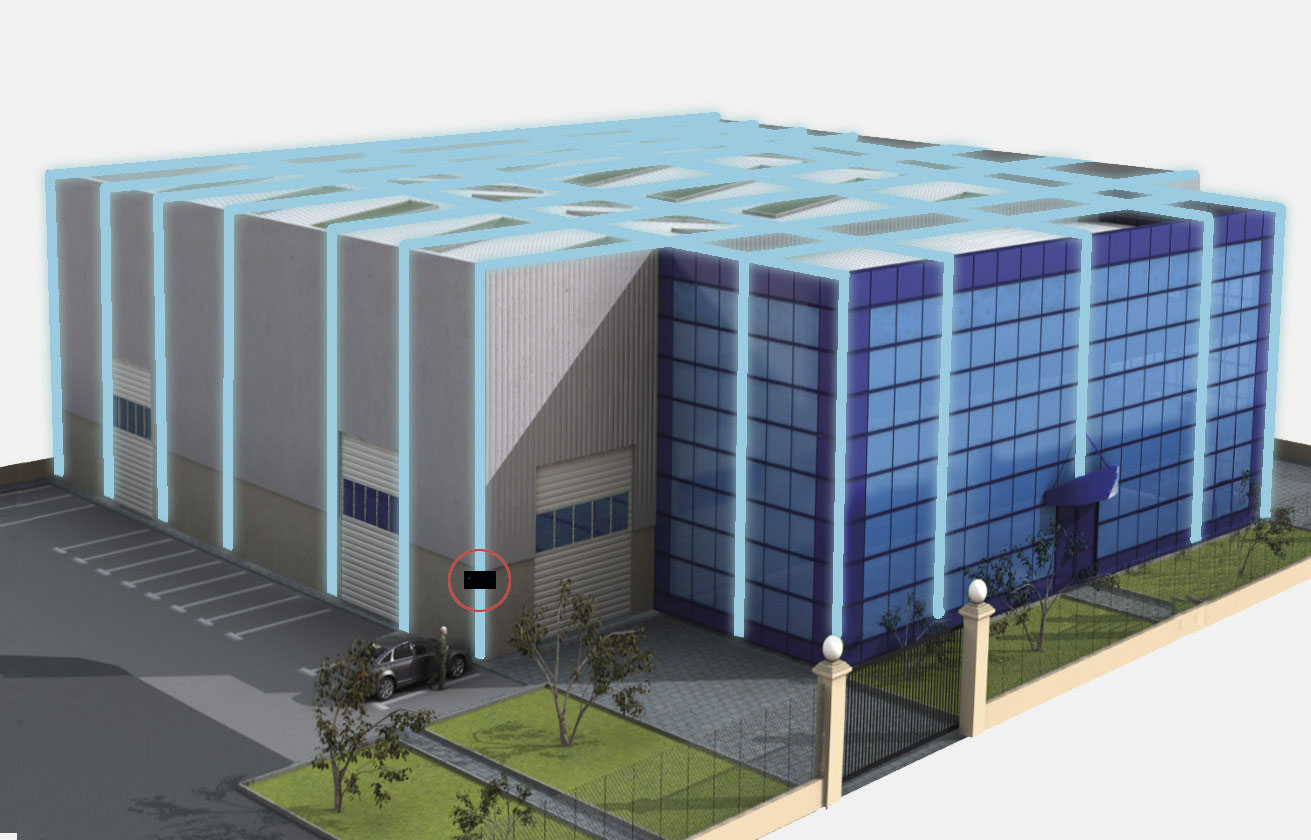

Lightning counters are control systems designed to detect the electric current that is directed to the ground through the down conductor when a lightning strike hits the system.
REQUEST MORE INFORMATION
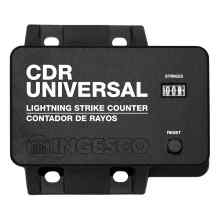
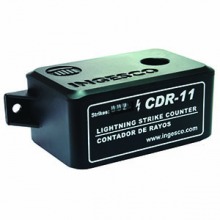

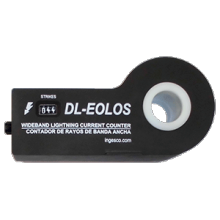
LIGHTNING COUNTERS
Lightning counters are control systems designed to detect the electric current that is directed to the ground through the down conductor when a lightning strike hits the system.
The installation of the lightning meter on down conductors of external lightning protection systems (LPS) is indicated by the regulations for the control and immediate verification of the status of the protection system after any lightning strike recorded on the structure
DIFFERENCES BETWEEN ELECTROMECHANICAL AND DIGITAL COUNTERS
The main differences between digital and electromechanical lightning counters are:
Digital counters require batteries to operate, which means they need periodic maintenance. In contrast, electromechanical counters do not require maintenance, improving their durability.
The advantage of electromechanical models lies in their robustness, as digital counters include electronic components that may be damaged if the lightning discharge has a high current.
For this reason, our counters are electromechanical, ensuring long-term effectiveness without the need for periodic maintenance, while maintaining the same ease of installation.
standards
- UNE 21186:2011: Protección contra el rayo. Pararrayos con dispositivo de cebado.
- NF C 17-102:2011: Protection contre la foudre. Systèmes de protection contre la foudre à dispositif d’amorçage.
- NP 4426:2013: Proteção contra descargas atmosféricas - Sistemas com dispositivo de ionização não radioativo.
- IEC 62.561/6:2011: Lightning protection system components (LPSC) Part 6. Requirements for lightning strike counters.
- IEC 62.561/1:2012: Lightning protection system components (LPSC) Part 1. Requirements for connection components.
LPS via ESE lightning rods & conventional rods.
Place a CDR UNIVERSAL or CDR-11 lightning counter on one of the ground-down conductors.
The system requires no external power or batteries. Its electromechanical 3-digit dial counter registers whenever a lightning discharge flows through the down conductor (minimum intensity 1kA).
They can be placed on flat or round conductors, including the CDR UNIVERSAL has the advantage that it is not necessary to cut the down-conductor as it is placed in parallel and does not require ohmic contact to record discharges.
LPS with mesh systems or arrestor down-conductors in contact with metal structures.
This type of construction system is characterized by current drifts that hinder the detection of low and medium-intensity lightning. The CDR-HS is a high-sensitivity counter to detect impacts from 100 A, well below the minimum range in the regulations (1 kA). This makes the control system suitable for this type of protective system, allowing us to track and verify the proper operation of the system.